Peptide & GLP Pathway Education

What Are Peptides?
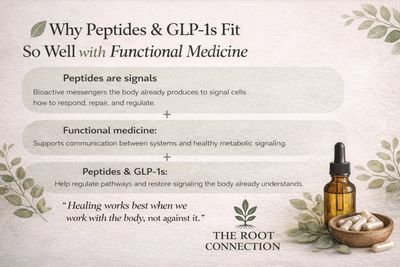
Peptides are short chains of amino acids that act as messengers in the body.
You can think of them as signals—they tell cells what to do, when to do it, and how strongly to respond. Your body already makes thousands of peptides every day to manage healing, metabolism, hormones, mood, immunity, and repair.
As we age, experience chronic stress, illness, or metabolic disruption, peptide signaling can become weaker, slower, or less coordinated. Educational discussions around peptides often focus on how restoring or supporting these signals may help the body respond more effectively.
How Peptides Work in the Body
Rather than forcing change, peptides work by communicating with existing receptors—essentially reminding the body how it already knows how to function.
Peptide signaling is involved in:
- Cell-to-cell communication
- Tissue repair and regeneration
- Hormonal signaling and feedback loops
- Metabolic regulation
- Immune and inflammatory responses
This signaling-based approach is why peptides are often discussed within functional and systems-based frameworks.
Areas Commonly Discussed in Peptide Education

Mood, Focus & Stress Regulation
Certain peptides are involved in neurotransmitter balance and nervous system signaling. Educational discussions often explore how peptide pathways may influence:
- Stress resilience
- Cognitive clarity
- Emotional regulation
- Sleep-wake rhythm support
Metabolism & Weight Regulation
Peptides play a role in how the body manages:
- Appetite signaling
- Insulin sensitivity
- Energy utilization
- Fat storage vs. fat use
GLP-related pathways, in particular, are associated with satiety signals, blood sugar regulation, and metabolic pacing, rather than simple calorie suppression.
Hormones & Endocrine Signaling
Peptides interact with endocrine pathways that influence:
- Thyroid signaling
- Adrenal response
- Sex hormone communication
- Growth and repair cycles
Educational focus here emphasizes coordination between systems, not isolated hormone manipulation.
Muscle, Recovery & Body Composition
Some peptide pathways are associated with:
- Muscle protein synthesis signaling
- Recovery after physical stress
- Preservation of lean mass during metabolic change
This is why peptide education often includes conversations around nutrition, protein adequacy, and recovery capacity.
Inflammation, Healing & Immune Signaling
Peptides are deeply involved in immune communication and tissue repair. Education in this area may include:
- Inflammatory signaling balance
- Healing response after injury or illness
- Gut-immune communication
Why Metabolic Support Matters Alongside GLP Pathways
GLP-related pathways do not operate in isolation.
Education here emphasizes the importance of:
- Protein intake and lean mass preservation
- Digestive and bile flow support
- Hydration and mineral balance
- Nervous system regulation
- Sustainable pacing of metabolic change
Supporting these foundations helps reduce unintended stress on the system while metabolic signaling is altered.
Education only: Consult your personal medical provider
The Root Connection™ provides educational information only.
We do not diagnose, prescribe, or provide medical treatment.
Any decisions related to peptides, GLP therapies, or medications should be made in consultation with a licensed healthcare provider.
Our goal is to help you understand the landscape—so you can engage in informed, responsible conversations about your care.
